ERP Integrations with SAP, Epicor, and Oracle
Extend your ERP. Preserve the core. Accelerate execution.
UpBuff integrates with leading enterprise ERP platforms without modifying their core architecture. Whether you
operate on SAP S/4HANA, SAP ECC, SAP Business One, Epicor ERP, or Oracle ERP — UpBuff acts as an
Execution Layer built on secure APIs, service layers, and a
Clean Core Integration Strategy.
API-based execution layer for SAP, Oracle, and Epicor — Clean Core, upgrade-safe, no core modifications.
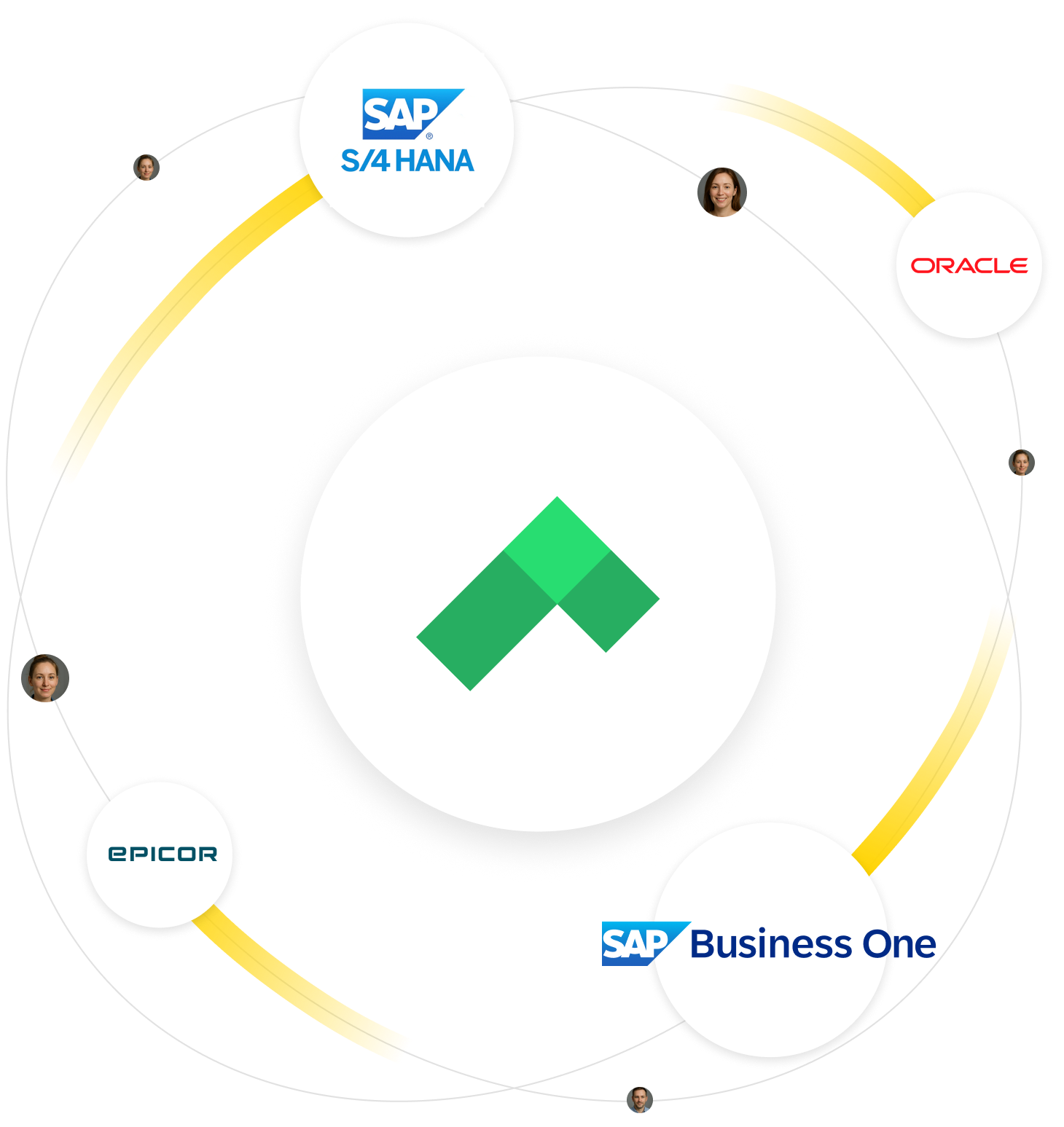
Enterprise ERP Integration Solutions for Scalable Operations





Clean Core integration — not traditional ERP customization
ERP remains the System of Record. UpBuff becomes the System of Execution.
Traditional ERP extensions rely on core modifications, user-defined field overloads, direct database interventions, and heavy add-on customization. UpBuff avoids all of these. Instead, we integrate using official ERP APIs, service layers, OData services, RESTful architecture, and middleware compatibility — keeping your ERP upgrade-safe, audit-ready, and compliant at every step.
“UpBuff connected our SAP Business One to the field team in weeks using the Service Layer. Real-time pricing, credit control, and order sync — without touching SAP core. Our upgrade path stayed completely intact.”
No direct database manipulation
All integration flows through official API and service layer endpoints — never direct DB writes.
Upgrade-safe by architecture
Clean Core compliance means every ERP upgrade cycle is low-risk and free of execution-layer breakage.
Audit-ready from day one
Every transaction logged, every API call traceable — full compliance readiness built in.
Deep integration across every major ERP
UpBuff is ERP-agnostic by design — each integration is built using that platform's officially endorsed API and service layer, not workarounds or database hooks.

SAP S/4HANA, SAP ECC & SAP Business One
S/4HANA: OData services, Standard APIs, SAP BTP compatibility, secure authentication layers. ECC: RFC/BAPI integration, OData extensions, middleware connectors. Business One: SAP Service Layer, DI-API compatibility, secure REST connectors. All three are Clean Core compliant — upgrade-safe and fully auditable.
Epicor ERP
UpBuff integrates with Epicor ERP environments using REST APIs, Epicor Service Connect, and middleware connectors. Supported execution areas include shopfloor execution, warehouse mobility, field service capture, and sales execution — all without core customization or upgrade risk.
Oracle ERP & Oracle Cloud
UpBuff supports integration with Oracle ERP (including Oracle Cloud ERP) via Oracle REST APIs, Oracle Integration Cloud (OIC), and secure web service connectors. Supported execution areas include manufacturing mobility, warehouse workflows, field operations, and sales execution — cloud-native compatible.
What UpBuff delivers across each ERP platform
Every integration is purpose-built for its ERP platform — using that platform's officially endorsed API patterns, not generic middleware workarounds.
S/4HANA
OData · Standard APIs · BTP · Clean Core
SAP S/4HANA — Clean Core execution for enterprise SAP
OData services and standard APIs for real-time master data access. SAP BTP compatibility for cloud-first deployments. Supported execution areas: manufacturing execution, warehouse mobility, field service workflows, and sales mobility. Benefits: Clean Core compliance, upgrade-safe architecture, real-time transactional sync, enterprise-grade security.
Oracle ERP · Cloud
REST APIs · OIC · Web Services
Oracle ERP & Oracle Cloud — cloud-native execution
Oracle REST APIs and Oracle Integration Cloud (OIC) for seamless connectivity. Secure web service connectors for on-premise Oracle environments. Supported execution areas: manufacturing mobility, warehouse workflows, field operations, sales execution. Benefits: enterprise-grade security, cloud-native compatibility, upgrade-safe architecture.
SAP ECC
RFC · BAPI · Middleware
SAP ECC — legacy SAP modernization
RFC/BAPI integration, OData extensions, middleware connectors. Preserves ECC stability, avoids risky enhancements, and provides a gradual modernization path toward S/4HANA.
B1
Business One
Service Layer · DI-API · REST
SAP Business One — SME & mid-market execution
SAP Service Layer, DI-API compatibility, secure REST connectors. Ideal for manufacturing enterprises, distribution companies, and field service SMBs.
Epicor ERP
REST · Service Connect
Epicor ERP — manufacturing & distribution
REST APIs, Epicor Service Connect, middleware connectors. Shopfloor execution, warehouse mobility, field service, and sales — no core customization.
How the integration architecture works
Every UpBuff integration follows the same four-layer Clean Core architecture — from ERP platform to frontline user, with no direct database writes at any point.
What Clean Core integration guarantees
Following a Clean Core integration strategy is not just a technical preference — it is the foundation of long-term ERP health, upgrade readiness, and total cost of ownership.
Zero direct database manipulation
No direct writes to ERP database tables — ever. All data flows through official API and service layer endpoints, keeping ERP core pristine and auditable.
Upgrade resilience
When SAP, Oracle, or Epicor releases updates, UpBuff integrations remain intact. No regression testing of custom ERP code. No rework. No freeze periods.
Audit compliance
Every transaction, every API call, every data access is logged with full context — providing complete audit traceability for compliance and regulatory teams.
Multi-location scalability
The same Clean Core architecture scales from a single-site SAP Business One deployment to a global multi-instance S/4HANA or Oracle landscape.
Lower long-term TCO
No specialist consultants required to maintain custom ERP code. No upgrade rework costs. Predictable maintenance and a controlled total cost of ownership.
ERP-agnostic execution
The same UpBuff execution layer runs across SAP, Oracle, and Epicor — enabling enterprises running multiple ERP platforms to standardize on a single execution strategy.
Built for enterprise ERP integration decisions
The integration architecture you choose determines your ERP health for the next decade. These are the leaders this page is built for.
CIOs & IT Leadership
ERP modernization · S/4HANA migration
CIOs planning ERP modernization
Leaders driving SAP S/4HANA migrations, Oracle Cloud transitions, or Clean Core architecture initiatives — who need execution capability without customization risk.
IT Architects
API-first · Clean Core strategy
IT architects designing API-first ERP landscapes
Technology architects eliminating fragile ERP modifications — designing controlled extension layers that integrate with existing API governance and security infrastructure.
Upgrade-Ready Enterprises
SAP upgrade · Oracle transition
Enterprises preparing ERP upgrades
Organizations that need their execution layer to survive an upcoming SAP or Oracle upgrade cycle — without regression testing custom ERP code or freezing operations.
Beyond ERP — connecting your entire enterprise ecosystem
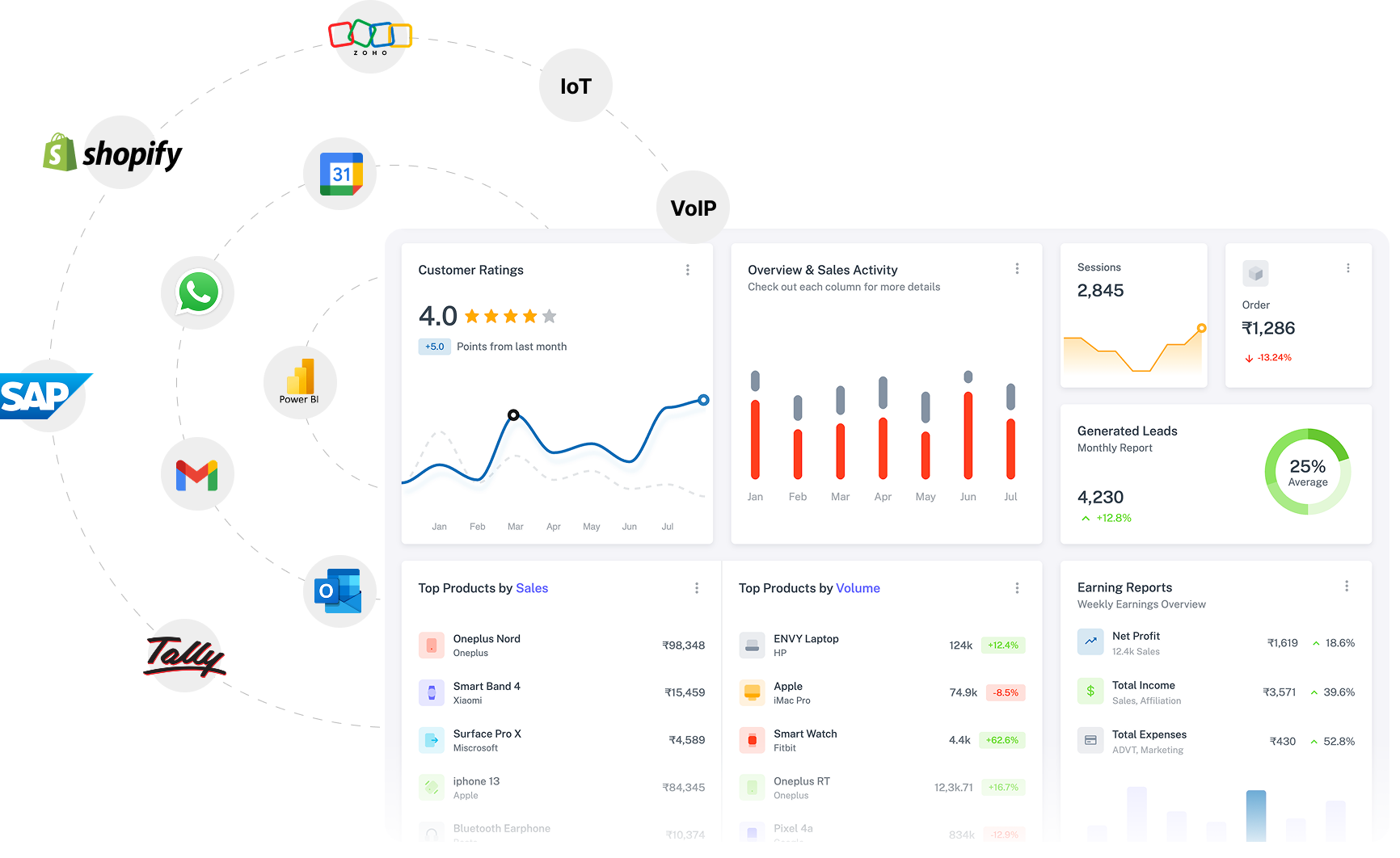
UpBuff bridges SAP, Oracle, and Epicor with the communication platforms, marketplaces, and enterprise tools your teams rely on — creating a fully connected digital enterprise with ERP at the core.


What enterprise ERP teams say
From SAP Business One implementations to S/4HANA environments — here's what integration leaders say about choosing Clean Core over customization

"UpBuff connected our SAP S/4HANA to field operations via OData without a single core modification. Our upgrade from ECC went ahead on schedule — the execution layer was completely unaffected."
Enterprise Architect
Molygraph

"The Service Layer integration with SAP Business One was live in three weeks. Real-time pricing, credit limits, and order sync — the field team had live ERP data on day one. No add-ons, no modifications."
Head of Digital Operations
NCC Streetscape
4–8 wks
typical time to live ERP integration for SAP Business One or S/4HANA

"We needed Oracle ERP integration that could survive our cloud migration. UpBuff used Oracle REST APIs — when we moved to Oracle Cloud, the integration kept working without a single change."
Head of Sales Operations
The Wine Source

"Epicor integration via REST and Service Connect gave us real-time shopfloor and warehouse sync. No middleware complexity, no custom code in Epicor — exactly the clean architecture we needed."
VP Field Operations
ideaForge Technologies
ERP integration questions answered
No. UpBuff integrates using official APIs and service layers — SAP Service Layer, OData, RFC/BAPI, Oracle REST APIs, Epicor Service Connect — following a Clean Core strategy without modifying ERP core systems, database tables, or core business logic.
UpBuff integrates with SAP S/4HANA (OData, Standard APIs, BTP), SAP ECC (RFC/BAPI, OData extensions), SAP Business One (Service Layer, DI-API), Epicor ERP (REST, Service Connect), and Oracle ERP including Oracle Cloud (REST APIs, OIC).
Standard integrations with SAP Business One or S/4HANA are typically live in 4–8 weeks depending on module scope and workflow complexity. Complex multi-instance or multi-ERP deployments are scoped individually with dedicated integration engineering support.
Yes. UpBuff follows SAP Clean Core principles and integrates exclusively via official SAP APIs. This makes it fully compatible with S/4HANA upgrade strategies, SAP ECC to S/4HANA migrations, RISE with SAP, and SAP BTP environments.
Yes. UpBuff integrates with Oracle Cloud ERP via Oracle REST APIs and Oracle Integration Cloud (OIC). On-premise Oracle ERP environments use secure web service connectors. Both deployment models are supported with the same Clean Core, no-modification approach.
Yes. Beyond ERP integration, UpBuff connects with WhatsApp Business, Shopify, Salesforce, Zapier, Tally, Unicommerce, IndiaMART, Zoho, and other enterprise platforms — creating a fully connected digital ecosystem with ERP at the core.
Planning an ERP upgrade or extension?
Our integration architects will assess your SAP, Oracle, or Epicor environment and design the optimal Clean Core execution layer — without disrupting your upgrade roadmap.
No ERP core modifications required